Transform Communities Through Your Purchasing Decisions

We connect conscious consumers with Mexican social enterprises that generate real impact. Discover fair trade cooperatives, certified B corporations, and local products that support community development through ethical and responsible consumption.

Mexican fair trade cooperative

Building an Ecosystem of Conscious Consumption

Caetgsorio emerges as a response to the need for transparency in the Mexican market, creating an authentic bridge between consumers seeking to generate positive impact and social enterprises committed to community development. Our fundamental mission centers on democratizing access to verified information about ethical businesses, facilitating purchasing decisions that transcend simple commercial transactions to become genuine acts of community support.

We deeply believe that every peso invested in products and services from social enterprises represents a vote for a more just, inclusive, and sustainable economic model. Through our educational directory, we document the history, impact, and practices of fair trade cooperatives, certified B corporations, and local producers operating under principles of transparency, labor equity, and environmental respect. We do not promote direct financial investment, but rather the transformative power of conscious consumption and informed decision-making.

Our work is grounded in continuous research, rigorous verification of business practices, and education about the principles of fair trade and social economy. We document real stories of communities that have prospered thanks to the support of conscious consumers, demonstrating that systemic change is possible when people choose products and services aligned with their ethical and social values.

250+
Documented Social Enterprises
32
States of the Republic
15,000+
Families Benefited

The Evolution of Social Enterprises in Mexico

1940s-1960s

Roots of Mexican Cooperativism

The cooperative movement in Mexico finds its deepest roots in indigenous communities that, for centuries, have practiced models of community economy based on reciprocity and collective work. During the decades following the Mexican Revolution, the first agricultural and fishing cooperatives were formalized, establishing legal structures that recognized collective ownership and democratic decision-making. These pioneering organizations laid the foundations for an alternative economic model that prioritized community wellbeing over individual profit, creating systems of equitable distribution of resources and earnings that transformed the lives of thousands of rural families.

1970s-1990s

Expansion of Fair Trade

The coffee crisis in the seventies spurred the formation of the first fair trade cooperatives in states like Chiapas, Oaxaca, and Veracruz. Peasant producers organized themselves to eliminate exploitative intermediaries, negotiating directly with international buyers who guaranteed fair prices and transparent commercial relationships. This period marked the birth of the Mexican fair trade movement, which gradually expanded from the coffee sector to cocoa, textile crafts, honey, and organic products. Cooperatives developed participatory certification systems, ensuring quality standards while maintaining community control over production and commercial processes.

2000s-2010s

B Certification and Social Economy

The first decade of the twenty-first century brought the introduction of the B corporation concept in Mexico, creating a formal framework for businesses that balance social purpose with financial sustainability. Mexican companies began obtaining international certifications that validated their practices of transparency, participatory governance, positive environmental impact, and commitment to the communities where they operate. This movement attracted both young social entrepreneurs and traditional companies seeking to transform their business models toward more responsible approaches, creating a diverse ecosystem of organizations committed to triple impact: social, environmental, and economic.

2015-Present

Conscious Consumption Ecosystem

Recent years have witnessed a profound transformation in Mexican consumer consciousness, driven by concerns about environmental sustainability, social justice, and support for local economies. Digital platforms, organic markets, fair trade stores, and educational directories have proliferated, facilitating access to ethical and transparent products. The conscious consumption movement has expanded beyond educated urban niches, reaching diverse communities that recognize the power of their purchasing decisions to transform economic systems. Mexican social enterprises have responded with innovation, creating high-quality products that compete successfully in national and international markets while maintaining their fundamental commitment to community development.

Mexican Social Enterprises and Cooperatives

Explore verified organizations operating under principles of fair trade, transparency, and community development

Coffee cooperative
Fair Trade

Coffee Cooperatives of Chiapas

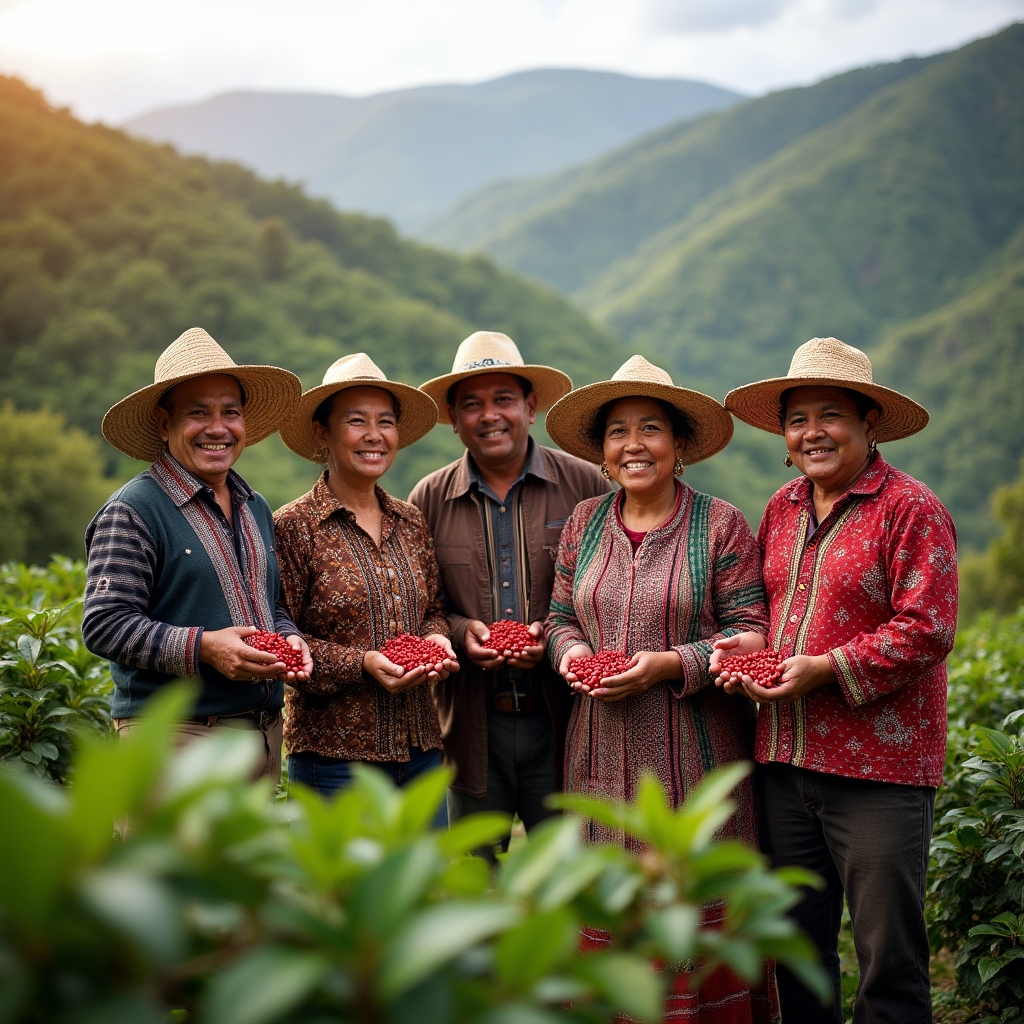
Producers organized in democratic cooperatives cultivating high-altitude organic coffee under traditional agroforestry systems. These organizations eliminate exploitative intermediaries, guaranteeing fair prices for peasant families while preserving ancestral cultivation methods that protect biodiversity and regenerate degraded forest soils.

1,200+ families
100% Organic
Textile artisans
Traditional Crafts

Textile Cooperatives of Oaxaca

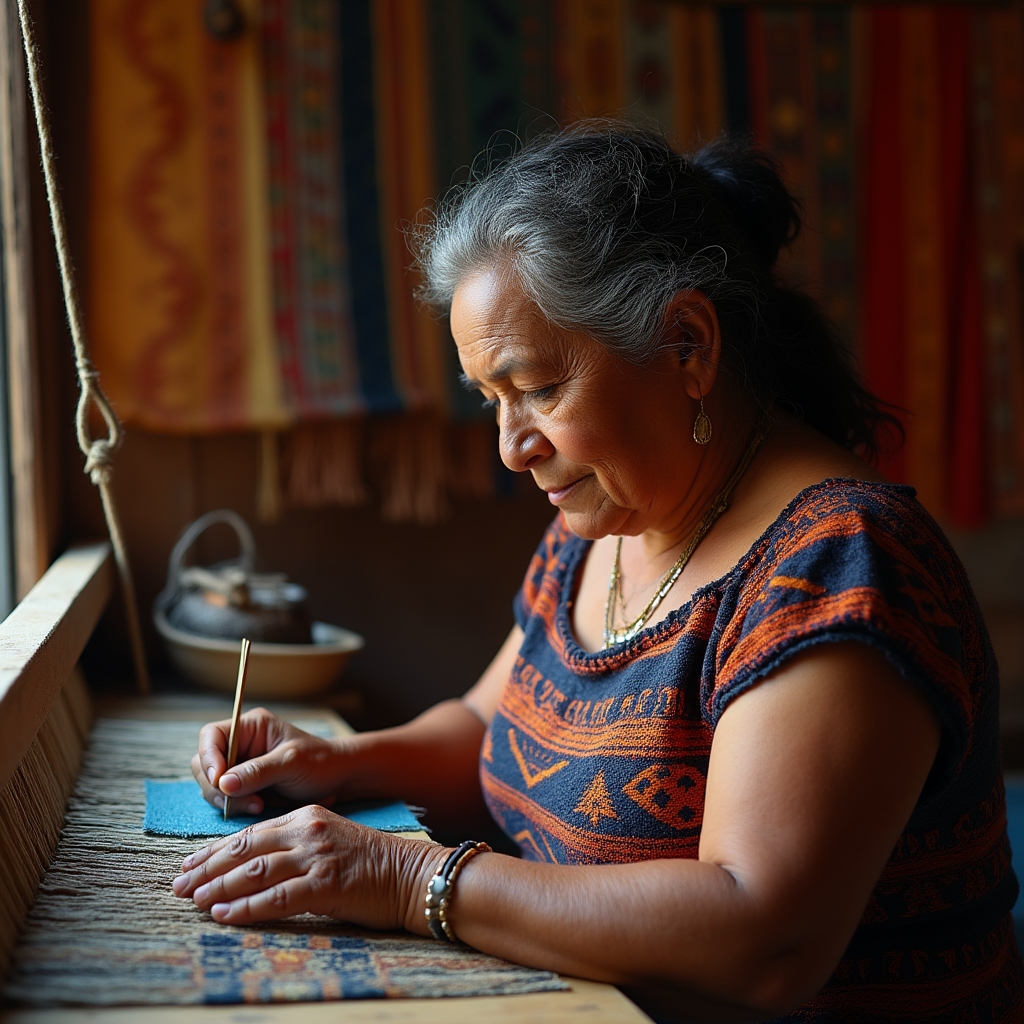
Groups of indigenous artisan women preserving millennial techniques of pedal loom and backstrap loom weaving, creating unique textiles with natural dyes extracted from regional plants, minerals, and insects. These cooperatives guarantee dignified wages, flexible schedules respecting family responsibilities, and collective decision-making spaces where women develop leadership and business management skills.

450+ artisans
Natural Dyes
Organic market
Organic Agriculture

Certified Organic Producers

Network of family farmers who have transitioned from industrial agricultural models to certified organic production systems, cultivating vegetables, fruits, grains, and legumes without synthetic agrochemicals. These producers implement regenerative agriculture practices that restore soil fertility, conserve water, promote biodiversity, and produce nutritious foods free of toxic residues for urban and rural communities.

800+ hectares
Organic Certified
Cocoa production
B Corporation

Sustainable Cocoa Cooperatives

Cocoa producers who have recovered ancestral creole varieties, establishing agroforestry systems that combine cocoa trees with native species providing shade, fixing nitrogen, and attracting pollinators. These cooperatives process cocoa into fine origin chocolate, adding value locally and generating dignified employment in rural communities historically exploited by opaque supply chains.

600+ producers
Agroforestry
Community services
Social Impact

Community Service Enterprises

Social businesses providing essential services in marginalized communities, from alternative education and technical training to preventive health services and community development. These organizations operate under financial sustainability models that reinvest surpluses in service expansion, guaranteeing equitable access to development opportunities for populations traditionally excluded from formal economic systems.

25,000+ people
B Certification
Textile workshop
Fair Trade

Women's Textile Workshops

Cooperatives composed exclusively of women who have transformed traditional sewing and embroidery knowledge into prosperous businesses generating dignified income and economic autonomy. These workshops produce contemporary garments and accessories incorporating ancestral techniques, creating unique products celebrating cultural identity while generating development opportunities for women in rural and periurban contexts with limited employment options.

300+ women
Handmade

The Power of Conscious Consumption

How Your Purchasing Decisions Generate Community Impact

Conscious consumption represents one of the most powerful and accessible tools for generating systemic change in our contemporary societies. Every time you choose to buy products or services from social enterprises and fair trade cooperatives, you are directly participating in the transformation of exploitative economic systems toward more equitable and sustainable models that prioritize human and environmental wellbeing over maximization of corporate profits.

When you purchase coffee from fair trade cooperatives, you guarantee that peasant producers receive fair compensation for their work, allowing them to invest in education for their children, improve their housing, and adopt sustainable agricultural practices protecting forest ecosystems. Every kilogram of ethical coffee acquired represents dignified wages, absence of child exploitation, democratic decisions in producer communities, and commitment to environmental regeneration.

Textile crafts from indigenous cooperatives preserve ancestral knowledge that would otherwise be lost to the pressure of mass industrial production. By purchasing fair trade textiles, you support intergenerational transmission of traditional techniques, guarantee economic autonomy for artisan women, and celebrate the cultural diversity that enriches our national identity.

Organic foods from local producers not only benefit your health by eliminating toxic residues from your diet, they also support regenerative agriculture restoring degraded soils, conserving water resources, protecting essential pollinators, and reducing carbon emissions associated with industrial production and long-distance transportation. Your choice of local organic foods represents a vote for planetary and community health.

The impact transcends the economic. Social enterprises operate under principles of participatory democracy where workers and producers have a voice in decisions affecting their lives. By supporting these models, you promote more just organizational structures that radically contrast with authoritarian corporate hierarchies where power concentrates in elites disconnected from the realities of those who produce value.

Conscious consumption also educates and transforms those who practice it. By researching product origins, learning the stories of those who create them, and understanding ethical supply chains, you develop critical awareness of global economic systems and your role within them. This expanded consciousness frequently inspires deeper changes in lifestyles, values, and commitment to social justice.
Fair trade products
85%
Direct Return to Producers

Fair trade guarantees that the majority of the price paid reaches directly those who create value

12,000+
Children Enrolled in School

Stable incomes allow families to invest in quality education for future generations

50,000
Hectares Restored

Sustainable agricultural practices regenerate ecosystems degraded by industrial agriculture

How to Support Social Enterprises Through Your Purchases

Research and Learn

Dedicate time to understanding the origin of products you habitually consume. Research the companies behind your favorite brands, discover their labor practices, environmental impact, and commitment to producer communities. Use directories like Caetgsorio to identify ethical alternatives aligning with your personal and social values.

Knowledge is transformative power. The more you understand about global and local supply chains, the better equipped you will be to make decisions generating positive impact. Read labels carefully, seek trustworthy fair trade and organic production certifications, and question vague sustainability claims many companies use to attract conscious consumers without implementing substantive changes.

Buy Locally

Prioritize local markets, fair trade stores, and producer cooperatives where you can acquire fresh foods, authentic crafts, and products made by hands from your community. Local purchases dramatically reduce the carbon footprint associated with long-distance transportation, support regional economies, and strengthen community social fabrics.

Many Mexican cities have weekly organic markets, stores specializing in fair trade, and artisan fairs where producers sell their creations directly. These spaces not only offer superior quality products, they also provide opportunities to personally meet those who grow your foods and craft your products, creating human connections enriching the consumption experience and deepening your understanding of the work involved.

Seek Certifications

Familiarize yourself with trustworthy certifications verifying ethical and sustainable practices. Labels like Fair Trade, organic certification, certified B corporation, and environmental conservation certifications represent rigorous standards companies must meet to obtain them. These certifications provide verifiable guarantees that products meet specific criteria for social justice and environmental responsibility.

It is important to understand that certifications have different meanings and variable scopes. Some certify only environmental aspects, while others comprehensively evaluate social impact, participatory governance, financial transparency, and community commitment. Research what different labels represent and prioritize those covering multiple dimensions of sustainability and justice.

Share Knowledge

Conscious consumption multiplies when we share knowledge with family, friends, and communities. Speak openly about your discoveries, recommend ethical products and companies you have tried, share educational articles on social media, and organize conversations about consumption alternatives generating positive impact without requiring significant sacrifices in quality or convenience.

Transformation of economic systems requires collective movements, not just isolated individual actions. When multiple people in your social circle adopt conscious consumption practices, aggregate demand for ethical products increases, incentivizing more producers and merchants to adopt sustainable and fair practices. Your voice has power to inspire changes expanding in concentric circles.

Demand Transparency

As a conscious consumer, you have the right and responsibility to demand transparency from companies about their practices. Contact brands you regularly consume, ask about their supply chains, worker labor conditions, production environmental impact, and community commitment. Genuinely ethical companies will be willing to share detailed and verifiable information.

Pressure from informed consumers has driven significant changes in global corporate practices. When companies perceive that transparency and accountability affect their sales, they have real incentives to improve. Use social media, online reviews, and direct communication to express your expectations and publicly recognize companies demonstrating authentic commitment to justice and sustainability.

Prioritize Quality Over Quantity

Conscious consumption frequently implies buying less but better. Ethical products may have higher prices because they reflect dignified wages, sustainable materials, and responsible production processes that conventional companies externalize. Instead of accumulating cheap inferior quality products produced under exploitative conditions, invest in durable items from transparent companies.

This mindset shift requires questioning cultural narratives equating mass consumption with happiness and success. You will discover that superior quality products, crafted with genuine care and attention, provide more lasting satisfaction than disposable alternatives. Additionally, reducing total consumption volume benefits the planet by decreasing resource extraction, waste generation, and emissions associated with unnecessary production and transportation.

Meet Mexican Social Enterprises

  • Fair Trade Local Markets

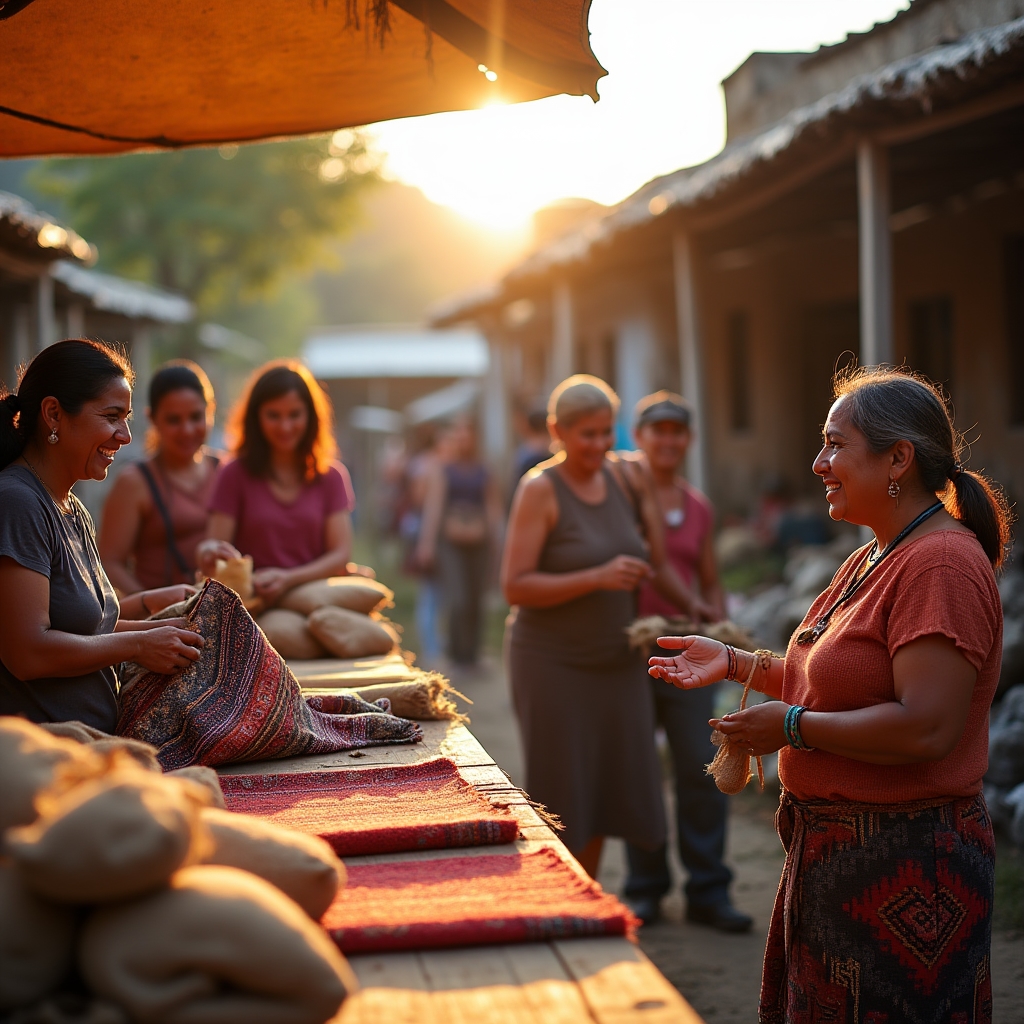
    Community spaces where producers sell their harvests and crafts directly

  • Ethical Product Stores

    Shops dedicated exclusively to products from certified social enterprises

  • Artisans working

    Artisan Workshops

    Spaces where traditional techniques are preserved and dignified jobs are created

Contact Us

We are here to answer your questions about ethical consumption and social enterprises

Contact Information

Address

Calle 47A y 66 502C, entre 64, Centro
97000 Mérida, Yuc., Mexico

Phone

+52 999 251 6736

Email

contacto@caetgsorio.com